
Every building tells a story. Its architecture reveals something about the people who envisioned it, the purpose it serves, the culture it represents, and the experiences it hopes to create for those who enter its doors. Yet, in many buildings, accessibility is rarely visible as part of that story. Instead, it appears primarily as a response to minimum building code requirements, an obligation to be met rather than an opportunity to shape the design itself.
Ramps, accessible entrances, elevators, washrooms, and parking spaces may be present, but they can feel like additions to the architectural narrative rather than elements woven into it from the beginning. A truly inclusive building tells a different story: one in which accessibility is not an afterthought or compliance exercise, but a fundamental design consideration that influences how spaces are conceived, connected, experienced, and enjoyed by everyone.
In such buildings, accessibility becomes part of the architecture’s identity, quietly embedded in the design and evident in the dignity, choice, independence, and sense of belonging it affords its occupants.
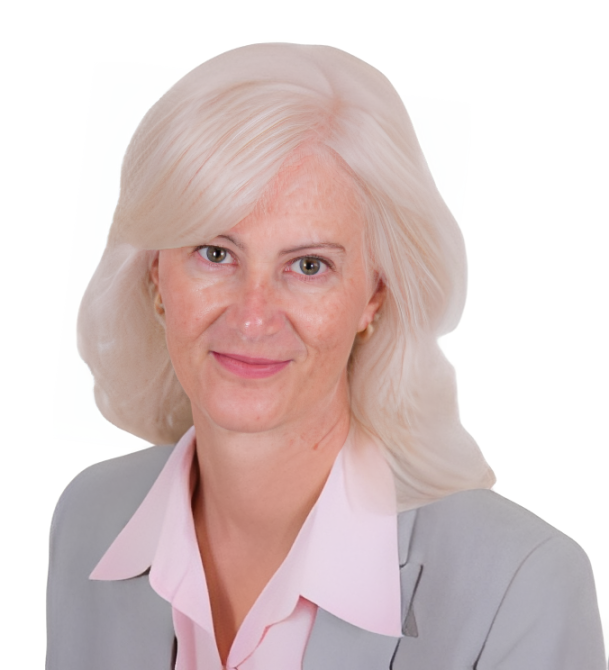
Dr Camulli, Principal Therapist, leads our Universal Design & Accessibility Consulting practice, bringing a Certified Professional in Accessibility Built Environment (CPABE) credential from the International Association of Accessibility Professionals (IAAP), the leading global body defining standards and best practice across digital, physical, and built-environment accessibility. With years of global experience across multiple sectors, Dr Camulli works closely with architects, developers, and corporate leaders to transform their premises, digital platforms, and service delivery into truly inclusive domains, which in turn generate a genuine competitive and social advantage.
Access Audits
A thorough, code-literate review of existing facilities against benchmarked accessibility standards, identifying gaps, risks, and opportunities, giving clients prioritised recommendations balancing genuine impact against the realities of budget, structure, and phased implementation. Emphasis is on optimising outcomes by exceeding minimum requirements, where possible, to achieve accessibility excellence.
Design Reviews
Working alongside architects and developers from the design stage, embedding accessibility at the critical stage to ensure the most cost and time effective approach. Coaching architects and developers to look beyond minimum compliance to seize opportunities to future-proof their projects and define their organisational commitment to impactful
Accessibility Transition Planning
A suite of three corporate foundational documents essential for truly impactful and sustainable corporate accessibility transformation. Access audits play but a small role in delivering accessible and inclusive spaces and services. The suite of documents include:
1) Accessibility Vision & Strategy,
2) Accessibility Design Guidelines, and
3) Accessibility Policies & Procedures.
This set of guidance documents establishes the what, the why, and the how of an impactful strategy that identifies the corporate values vis-à-vis accessibility and inclusion and translates them into actionable principles and priorities. This suite provides the roadmap to set new benchmarks and establish the business as a leader in inclusive and sustainable delivery and practice.
People with disabilities (PWDs) are the world’s largest minority group, numbering approximately 1.3 billion according to the World Health Organisation (WHO), almost the population of China. PWD’s sit at the intersection of all other diversity groups such as gender, age, race, religion, language, education, employment, wealth, and geographic position. They transcend both privileged and disadvantaged communities, the full range of intelligences, and their experiences and contributions are limited only by the societal barriers they face. Disability does not discriminate; anyone can acquire a disability at any moment. In fact, 83% of disabilities are acquired. Thus, to purposefully serve this diverse group is to serve ALL target audiences.
Beyond the moral imperative, accessibility is also good business. The WHO estimates the annual spending power of people with disabilities to be $13 trillion globally. Moreover, accessibility drives digital innovation, improves search engine optimisation (SEO), and protects companies from costly legal risks.
• Architects who know there is more to accessibility then basic building codes.
• Corporate leaders seeking to expand their market reach and meet compliance requirements.
• Developers wanting to differentiate a project through genuine inclusive design.
• Government services aiming to meet the needs of all.
• Organisations seeking to understand their accessibility exposure across a property portfolio.
• Clinics
• Corporate entities that serve public (from insurance and banking to facilities management and product designers)
• Cultural facilities (museums, science centres, historic sites)
• Education (schools, universities)
• Events (World Expo, conferences, trade shows)
• Government (all public services)
• Hospitals
• Hospitality (hotels, restaurants)
• Rehabilitation centres
• Retail (brick & mortar and ecommerce)
• Tourism (theme parks, attractions, family entertainment)
• Transportation (bus, metro, and train stations, airports)
![Blue Full logo [PNG] (white shadow) no background](https://merlionpaediatric.sg/wp-content/uploads/elementor/thumbs/Blue-Full-logo-PNG-white-shadow-no-background-rks9g04ldgv9iahq5uegnmdmp1x9xb2r38d85a0qm4.png "Blue Full logo [PNG] (white shadow) no background")
Neurodivergence is not a deficit but a different way of thinking, learning, and experiencing the world. With the right understanding, support, and environment, neurodivergent individuals are able to explore and optimise their unique functional capabilities, unlocking their strengths and achieving their fullest potential. It is a lifelong journey of exploration, learning, and achievement that is deeply personal and profoundly meaningful.
© 2026. Merlion Paediatric Therapy Clinic.
All Rights Reserved.